Listening Through the Roar: Australia’s Wildlife Fights to Be Heard

Today we explore noise pollution and its effects on Australian animal communication, following calls and clicks from coral reefs to red deserts and suburban backyards. Together we will listen for what gets masked, how voices adapt, and why quiet matters. Share your observations, add your recordings, and join our growing community committed to safeguarding living soundscapes across Country for future generations.

Soundscapes of a Continent

From Reef to Rainforest

At Ningaloo Reef, the nighttime crackle of shrimp and the purr-like grunts of reef fish help larvae find sheltering corals, while in Queensland’s rainforests, catbirds and riflebirds exchange complex, place-specific signals through layered foliage. Across arid interior plains, crepuscular choruses coordinate movements when temperatures ease. Each region’s sonic fingerprint not only delights human ears but also encodes spatial information animals rely on when sight and scent fall short.

Old Knowledge, New Microphones

At Ningaloo Reef, the nighttime crackle of shrimp and the purr-like grunts of reef fish help larvae find sheltering corals, while in Queensland’s rainforests, catbirds and riflebirds exchange complex, place-specific signals through layered foliage. Across arid interior plains, crepuscular choruses coordinate movements when temperatures ease. Each region’s sonic fingerprint not only delights human ears but also encodes spatial information animals rely on when sight and scent fall short.

Establishing a Baseline

At Ningaloo Reef, the nighttime crackle of shrimp and the purr-like grunts of reef fish help larvae find sheltering corals, while in Queensland’s rainforests, catbirds and riflebirds exchange complex, place-specific signals through layered foliage. Across arid interior plains, crepuscular choruses coordinate movements when temperatures ease. Each region’s sonic fingerprint not only delights human ears but also encodes spatial information animals rely on when sight and scent fall short.

Engines, Cities, and Sonic Clutter

Shipping and Seismic Exploration

Large vessels produce low-frequency rumbles that travel far, overlapping with baleen whale communication along the east and west coasts. Seismic airguns used in exploration inject intense pulses at regular intervals, potentially interfering with long-distance contact, orientation, and calf-mother cohesion. Even after surveys pause, lingering vessel traffic can keep levels elevated, complicating song learning, altering migration routes, and forcing animals to either shout louder or fall silent.

Roads, Mines, and Farms

Highways slice habitats with continuous tire roar, while mine sites layer compressors, blasts, and haul trucks onto previously quiet hills. Farm machinery and pumping infrastructure add cyclical peaks that bleed into dusk and dawn, key windows for birds and frogs. For animals relying on brief, frequency-specific calls, these sources mask syllables, blur territorial boundaries, and make it harder to track rivals, mates, or approaching predators in time.

Leisure Makes a Racket

Jet skis, off-road vehicles, and beachside events turn weekends into unpredictable soundscapes. Kayakers and snorkelers may seem quiet, yet support boats, dropped anchors, and clattering gear add punctuated disturbances where fish spawn and shorebirds feed. In popular bushland, amplified music and drones overlay choruses, prompting sensitive species to retreat. That spontaneity—fun for people—can scatter foraging schedules, truncate courtship displays, and erode the restorative quiet animals plan around daily.

Voices Raised and Messages Lost

Animals often try to cope by shifting pitch, timing, or loudness. Some strategies help briefly; others backfire, wasting energy or confusing listeners. When messages get drowned, individuals miss mates, parents miss young, and groups lose cohesion. Over time, small communication failures cascade into fewer fledglings, riskier foraging choices, and thinner neighborhood networks that once offered protection, learning opportunities, and resilience during heatwaves, fires, or drought.

Consequences You Can Measure

Communication breakdowns are not abstract; they appear as missed breeding opportunities, stressed parents, altered movement paths, and reduced genetic exchange between patches. Over seasons, these effects reshape communities, privileging generalists comfortable with human sound while excluding specialists with narrower acoustic niches. Measuring outcomes—nest success, fledgling weights, call rates, group spacing, and vigilance time—helps managers link decibels to decisions, choosing interventions that actually restore functional conversations, not just numbers.

Mating Success and Territory

In noisy places, courtship displays shorten, countersinging degrades, and listeners misjudge distance. That means more territorial skirmishes, wasted energy, and fewer successful pairings. For species where subtle phrasing signals quality, masking lowers apparent fitness, skewing mate choice. Over time, territories shrink or shift toward suboptimal edges just to secure audibility, compounding stressors like heat exposure, reduced food availability, and heightened predation risk near disturbed boundaries.

Feeding and Vigilance Trade-offs

When ears cannot separate signals from background, animals compensate by looking up more often, pausing calls, or moving to louder perches. Extra vigilance steals minutes from feeding, grooming, and parental care. Bats abandon rich patches, shorebirds flush more, and small marsupials linger near cover, burning energy without replenishment. These micro-choices scale up, producing leaner individuals, weaker young, and populations less capable of weathering fire seasons or prolonged drought.

Population and Community Shifts

As adaptable species persist and sensitive ones retreat, communities homogenize. Acoustic space that once supported many callers collapses into a narrower band dominated by a few loud generalists. That loss reduces ecological functions—seed dispersal, pollination, pest control—and erases local dialects shaped by landscapes over centuries. Restoring quiet is therefore not mere aesthetics; it protects cultural transmission, functional diversity, and the adaptive capacity ecosystems need amid accelerating climate extremes.

Designing for Quiet
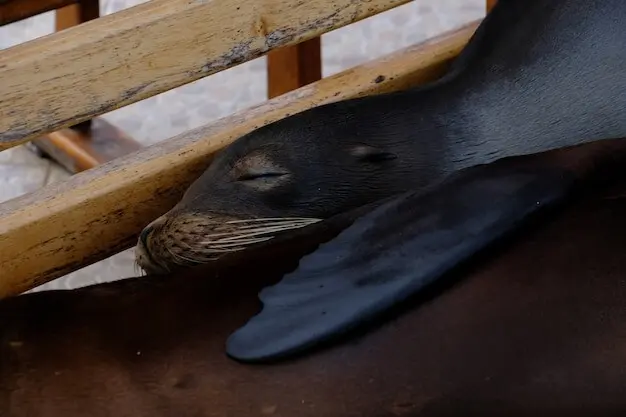
Solutions exist, field-tested and practical. Adjusting speeds, rethinking propellers, scheduling loud work outside breeding windows, and building with materials that absorb rather than broadcast can dramatically improve audibility for wildlife. Pairing engineering with thoughtful land-use planning and community norms turns quiet into shared infrastructure—reliable, equitable, and resilient. When we design for listening, habitats function better, people sleep easier, and essential animal conversations recover their reach.

Become a Better Listener

Everyone can help restore clarity. Start by noticing your neighborhood’s daily rhythm, then reduce avoidable clatter and add your ears to collective projects. Recordings, observations, and conversations with neighbors build momentum. When many people make small, steady choices—quieter tools, respectful recreation, thoughtful travel—Australia’s living chorus gains space. Share your stories, subscribe for new listening guides, and invite friends to join efforts that protect the voices around us.
Ravopexinovi
Privacy Overview

This website uses cookies so that we can provide you with the best user experience possible. Cookie information is stored in your browser and performs functions such as recognising you when you return to our website and helping our team to understand which sections of the website you find most interesting and useful.