Listen to the Living Heart of Australia

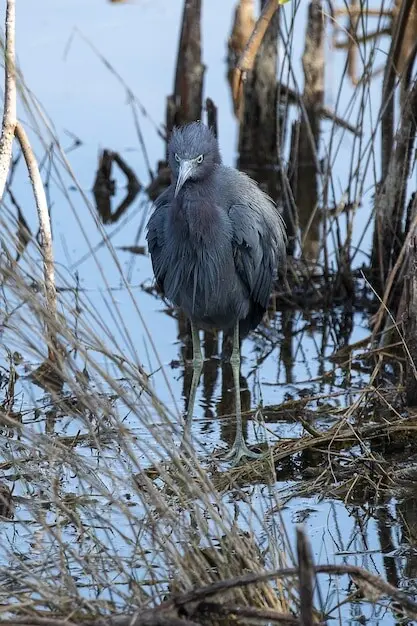
Step into a world where kookaburras laugh at sunrise, frogs pulse after summer rains, and desert winds carry distant dingo howls. Today we’re celebrating Aussie Wildlife Soundscapes, inviting you to explore recordings, stories, and science behind Australia’s astonishing natural orchestra, while learning how to listen more deeply and gently.

Before Sunrise: The Unseen Orchestra

An hour before first light, the air fills with overlapping phrases: far-off surf sighs, leaves tick, feathers shuffle, then confident melodies rise from dark branches and paddocks. Here, patient listening reveals patterns, territories, and neighborly answers carried between gums and rooftops. Let curiosity guide you—follow pace, pause for echoes, and let the growing light teach how pitch, distance, and rhythm map a living community around your quietly astonished breath.

Red Centre Nights: Rhythms of Heat and Silence

Dingo howls over cooling dunes

A lone voice rises, then braids with replies until the sky seems woven. You can hear distance as delay, identity as contour, and intent as subtle grit on sustained notes. Avoid playback that disturbs hunting. If recording, angle off-axis to reduce clipping, and write down moon phase; fullness often invites wider ranges and echoes that fold back in unexpectedly beautiful ways.

Burrowing frogs after the first storms

When rain finally breaks heat, hidden frogs surface and ignite the ground with rhythmic pumps, suctiony chirps, and vibrating drones. These choruses can be thrillingly loud; protect your ears and your microphones. Place an omni near shallow puddles, step away, and simply witness soil become instrument, water become metronome, and brief abundance turn into a breathing cathedral of mud and light.

Bilby rustles and the quiet between sounds

Greater bilbies are subtle performers: soft scrapes, faint sniffs, and delicate foot thumps sketch their routes around spinifex domes. Instead of chasing volume, study proportion—the way tiny textures crown the silence. Ethically secure distance with long cables, restrain footsteps, and let long takes reveal how quiet is not absence but architecture holding memory, movement, and nocturnal trust.

Rainforest Echoes: Layers that Breathe

Moist air carries astonishing density: cicadas stitch ceilings, doves pulse underneath, and odd metallic calls ping like dropped coins. Here, reflections multiply, so each note gains shoulders and shadow. Listening becomes cartography—mapping elevation by pitch and time by dew. Slow down, breathe with leaf-drip, and invite a generosity that keeps you present without reaching or grabbing at sound.

Eastern whipbird’s crack like split air

A sharp whip-crack slices humidity, followed by a soft, answering chatter, a duet polished over countless mornings. Stand still and feel dynamics hit your chest like a polite drum. Directionality helps; a short shotgun can trace movement without crowding nests. Note rainfall history—after downpours, resonance deepens as trunks ring a little fuller, turning a simple exchange into chamber music.

Albert’s lyrebird and the art of imitation

This shy virtuoso stacks imitations—other birds, camera shutters, even distant machinery—into spiraling performances that challenge certainty. Respect space, never pursue, and let duration do the work. Long stationary recordings reveal themes, cycles, and sudden left turns. Compare sessions across seasons; winter displays stretch ambitiously, while warmer months invite gentler improvisations woven with leaf-scrape percussion and subterranean heartbeat thumps.

Cassowary footsteps and thunder-low notes

A heavy, padded step announces presence before the astonishing infrasonic boom threads the understory. Keep maximum distance, prioritize safety, and avoid line-of-sight blocking trails. Low-frequency sensitivity matters; headphones that reach deep will reveal tremors that microphones barely notice. Write impressions alongside numbers, because awe, caution, and gratitude are part of truthful documentation within these shadowed green cathedrals.

Wetlands and Coasts: Tides of Call and Reply

Where freshwater braids with salt, voices have currents: bitterns boom from reeds, terns stitch sky with needles, and wind underlines everything in long graphite strokes. Out beyond surf, whales compose seasonal arcs. Bring patience, spare batteries, and humility; these edges change fast. Every gust, tide, and cloud tilt rearranges the orchestra, inviting flexible ears and grateful, weatherwise choices.

Frogs tuning up after monsoon dusk

In northern billabongs, darkness flips a switch: green treefrogs cluck like wet corks, tiny chorus-masters pulse, and baritone giants anchor rhythm. Keep lights low to reduce disturbance. A spaced pair of omnis across narrow water captures stripes of activity. Note temperature alongside species, because a single degree can redraw ensembles and push solos forward like new stars arriving.

Migratory shorebirds stitching distances

Red knots, curlews, and sandpipers trade quick calls that seem modest until you hear the geography inside them—the flyway’s entire map tucked into short syllables. Step well back from roosts; binoculars, not proximity. Record wide with wind protection, letting surf form a gentle canvas. Those brief peeps and trills carry hemispheres, reminding listening hearts to protect resting places urgently.

Humpback songs through a summer swell

Lower a hydrophone from a quiet headland or kayak, far from traffic and responsibly distant from whales. Suddenly the sea is a gallery of pulses, harmonics, and evolving phrases that shift week by week. Log GPS, swell height, and time; compare motifs later. Sharing responsibly tagged clips can support research while gifting others an intimate, ethical doorway into wonder.

Tools, Ethics, and the Joy of Listening
Great recordings begin with care rather than cost. You can craft moving documents with a simple handheld, wind protection, and field notes that respect land, culture, and creatures. Choose stillness over chasing, paperwork over shortcuts, and mentorship over bravado. In return, every session becomes collaboration, honoring place, teaching patience, and gathering stories gentle enough to carry home.

Microphones that welcome wind and wings

Parabolic dishes magnify detail from skittish birds, while short shotguns trace direction without crowding nests. Omni pairs render habitat honestly, catching insects, leaf-noise, and distant surf. Prioritize windshields, low handling noise, and quiet gain. Test positions slowly, review with headphones, and let the place tell you where microphones belong, not the other way around, especially when excitement rises.

Respecting Country and creatures, always

Acknowledge Traditional Owners, seek permissions, and listen to community guidance on sensitive sites, seasons, and stories. Avoid playback, nests, and stress. Maintain distance, limit time, and step lightly. Pack out everything. Share context, not coordinates, for vulnerable species. Ethics are not constraints; they are the tuning fork that keeps wonder aligned with care, gratitude, and long-term belonging.

From notebook to metadata that tells truth
Write times, coordinates, habitats, weather, mic models, and settings as faithfully as you can. Photograph the rig for reference. Back up twice. When sharing, include species IDs with confidence notes, and licensing that encourages education. Consider contributing to archives, eBird, or the Australian Acoustic Observatory, helping sound become data, memory, and beautifully reusable community knowledge.

Stories from the Field: Moments That Changed Ears

Sometimes the smallest encounters redraw attention completely. A single note, an unexpected hush, or a child’s delighted question can bend the day toward learning. These memories carry craft forward, reminding us recordings are souvenirs of relationship, not trophies. Bring your stories too; subscribe, comment, share clips, and let conversation keep this living archive generous and growing.

A storm that tuned the bush to one note

Minutes before rain, air pressure sank and insects thinned to a soft electrical hum. Every gum leaf trembled the same letter, and even butcherbirds paused as if reading the sky. The first drop hit like a drumstick, then everything resumed, slightly retuned, as though weather had whispered corrections into every throat and wing.

A child’s gasp under a city fig at noon

In the middle of traffic and lunchtime chatter, a tiny pardalote repeated a silver phrase until a nearby child stopped, wide-eyed, and whispered, listen. For five bright seconds the street aligned around those notes. We recorded nothing, chose attention instead, and carried that pause all afternoon like a perfect, vanishing lesson about presence.

A night when silence taught abundance

I set up with ambitious plans, yet batteries died early, leaving only the warm hush of distant surf and possum feet above. Without a task, I finally heard breath, tide, and leaf-space agreeing. Walking back, I understood: sometimes the best capture is learning to return kinder, slower, and more ready to witness than to collect.
Ravopexinovi
Privacy Overview

This website uses cookies so that we can provide you with the best user experience possible. Cookie information is stored in your browser and performs functions such as recognising you when you return to our website and helping our team to understand which sections of the website you find most interesting and useful.