
Listening to Australia’s Changing Chorus
Step into a continent where months have melodies and landscapes keep time by sound. In this edition, we journey through seasonal sound shifts across Australia’s diverse habitats, tracing dry-season hush, storm-fed crescendos, urban crescendos, and offshore songs. Expect practical listening tips, vivid field stories, and invitations to record, compare, and share what your ears discover, wherever you are.
From Desert Silences to Wetland Choirs
Follow the continent’s deep breath as parched interiors awaken after distant lightning, while floodplains answer with layered dusk performances. We connect climate rhythms, hydrology, and ecology to the sounds you can actually hear, so seasonal change becomes tangible, comparable, and personally memorable through mindful listening, note taking, and simple recordings.
Bird Calendars You Can Hear
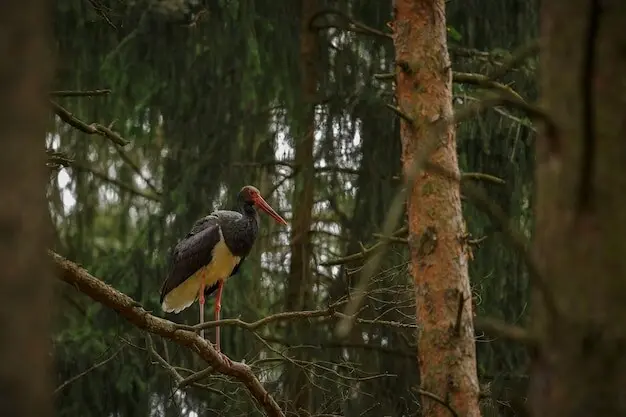
From alpine forests to inner-city plane trees, avian routines reveal the months more reliably than any wall planner. Courtship, territory, migration, and molt each leave distinct acoustic signatures. Learn how to map these markers, compare regions, and understand why some calls expand with warmth while others contract into winter hush.
Insects, Amphibians, and the Pulse of Weather
Small bodies broadcast big forecasts. Temperature, humidity, and recent rainfall govern nightly orchestras with uncanny precision. By learning the thresholds that trigger calling, you can anticipate tomorrow’s clouds, measure microhabitats, and build calendars independent of calendars. The more patiently you listen, the more the forecast sings itself aloud.
Cicadas and Heat Lines
Summer cicadas erupt as mercury climbs, each species setting its own preferred band of temperature and light. Together, they stack into shimmering sonic ceilings that map canopy height and sun exposure. Track start times weekly, and you will hear seasonal arcs more clearly than printed climatology graphs.
Frogs After First Rains
When the first good storm lifts dust from road verges, frogs switch from hidden lives to headline performers. The FrogID app becomes a social feed, and creeks ring with booms, bleats, and peeps. Note who calls earliest, who waits, and how catchments synchronize across surprising distances.
Grassland Strings
Crickets and katydids provide the tremolo, bowing from tussocks and fence lines. As nights lengthen, pitches dip, textures thicken, and predators alter phrasing. Record ten seconds at the same spot weekly, and subtle modulations accumulate into a diary that pairs with scent, dew, and the feel of air.
Ocean Migrations and Coastal Soundlines
Along two great coastlines, swells, winds, and living choruses redraw calendars in salt. Winter brings roaring fronts and penguin chatter; spring ushers whale song and fish dawn choirs over reefs and seagrass. Learn where to stand, when to listen, and how tide, moon, and season braid signals together.
Humpbacks on the Highway
As they travel between Antarctic feeding and tropical breeding, humpback males sculpt evolving songs that drift into bays and cliff-top walks. Verses morph through the season, sometimes copying regional hits. Simple shore recordings can document cultural change, migration timing, and weather windows when voices ride cleanly on calmer air.
Reef Dawn Choruses
Before sunrise over coral and seagrass, snapping shrimp ignite a crackling bed, while fish grunt, croak, and hum in patterned bursts. Seasonal spawning surges adjust intensity and timing. Hydrophones left overnight reveal calendars invisible to the eye, turning wave-washed quiet into a bustling timetable of daily beginnings.
Southern Storms and Little Voices
When westerlies stack swells against granite and kelp, beaches boom and headlands whistle. Yet tucked within, little penguins swap brief, comical calls while shags clatter. Listening between gusts teaches patience, microphone sheltering, and how small notes persist through winter thrum, carrying intimacy across grey water and spindrift.
Fire, Wind, and Human Footprints
Not every seasonal change is gentle. Fire seasons, harvesting cycles, festivals, and footy finals all shape what reaches the ear. By documenting machinery, sirens, wind profiles, and recovery birdsong, we learn how disturbance and renewal alternate. These records support memory, planning, habitat care, and community conversations grounded in shared evidence.
Before, During, and After Bushfire
Cicadas fall silent under choking smoke while helicopters and tankers dominate, then kookaburras test regrowth edges weeks later. Recording responsibly from safe distances builds a sonic archive of loss and return. Such timelines help agencies, neighbors, and landholders hear resilience and identify habitats needing careful, slower, more protective recovery.
Wind Profiles Through the Year
From hot northerlies rattling awnings to southerly busters slamming gum leaves, wind redraws room tone outdoors. Microphone placement, dead cats, and natural windbreaks become seasonal tactics. By cataloging gust speeds with sound notes, you align meteorology with texture, discovering thresholds when distant highways vanish or suddenly return.
City Routines, Changing Nights
School terms, stadium schedules, and holiday fireworks sculpt urban rhythms as surely as rainfall shapes creeks. Lorikeet roosts swell, fruit bats adjust flightlines, and trains gain or lose late services. Compare weekdays to long weekends, and you will hear policy decisions translated into very practical neighborhood acoustics.
Field Kit for Every Pocket
Your phone is already a capable notebook, especially with an external mic and a windscreen. Add inexpensive earplugs for monitoring, a soft bag, and silica gel. Label clips immediately. Battery discipline, airplane mode, and a checklist prevent heartbreak when the one perfect dawn finally arrives and unfolds.
Quiet Ethics and Wildlife Care
Great recordings begin with respect. Keep distance, avoid nesting sites, and never use playback that stresses animals. Choose paths over bush-bashing, travel with a friend, and share locations cautiously. Your choices help wildlife conserve energy through harsh seasons, ensuring tomorrow’s chorus remains vibrant, varied, and welcoming.
Community Science, Real Impact
Contribute clips to projects like eBird, iNaturalist, FrogID, and the Australian Acoustic Observatory. Tag place, time, and weather, then discuss findings in comments. Your modest snippets connect with thousands of others, powering discoveries about migration shifts, breeding success, and climate impacts that inform policy and local restoration work.
How to Record, Compare, and Contribute
Everyone can help chart the year by ear. Start small, stay curious, and commit to a repeatable routine. We share equipment guides for any budget, simple metadata tips, and places to upload. Subscribe for seasonal prompts, reply with your discoveries, and join community challenges that turn listening into local knowledge. Bring friends, compare notes across regions, and build shared playlists that reveal patterns nobody could notice alone.