
When the Bush Comes Alive After Dark

Step quietly into Nightlife in the Bush: Australia’s Nocturnal Wildlife Choruses, where moonlit gum leaves tremble to owls’ deep hoots, frogs’ elastic rhythms, and insects’ silver threads. We’ll guide your ears, share field wisdom, and invite your stories so every dusk becomes a concert you can respectfully understand, enjoy, and help protect.

Listening Like a Naturalist

Night soundscapes reward patience and curiosity. Learn to map layers—the steady crickets beneath, the mid‑range frogs and gliders, the headline calls of owls above—while reading wind, water, and moon. We focus on safety, minimal disturbance, and small rituals that tune attention until the bush starts speaking back.

Owls with Ancient Eyes

Listen for deep whoom notes of Powerful Owls hunting gliders, the softer book‑book cadence of Southern Boobooks patrolling edges, and the breathy screeches of Masked Owls near clearings. Echoes reveal terrain; intervals hint at movement, territory size, and energetic intent across the night.

Marsupial Murmurs and Bellows

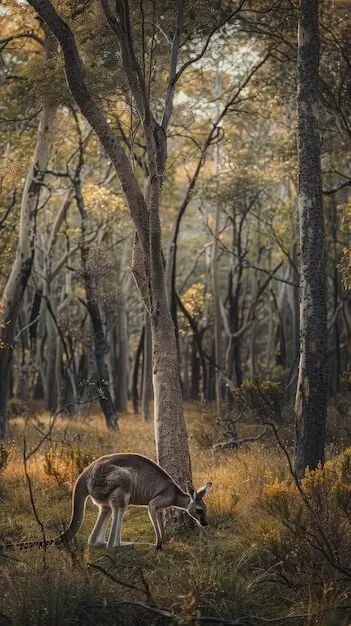
During breeding surges, koalas produce resonant bellows that feel more vibration than melody, reaching astonishing distances. Brushtails hiss, growl, and chitter near roofs; ringtails tssk in shrubs; gliders squeal on launch. Distinguish proximity by reverb tails, volume drop‑offs, and overlapping insect beds.

Wetlands After Midnight

Billabongs and floodplains transform darkness into pulse. Banjo Frogs plonk like loose strings; Green Tree Frogs ring bright; Motorbike Frogs rev from reeds. Australasian Bitterns boom, Night‑Herons bark, rails squeak through sedges. Mist holds sound low, turning trails into corridors of resonant breathing water.

Desert and Outback Soundscapes

Arid nights carry astonishing distance, so a single call becomes landscape. Dingoes howl across stony flats; Bush Stone‑curlews wail from open woodland; Spotted Nightjars churr over spinifex. After rare rains, ephemeral frogs awaken cracked earth, rewriting silence with sudden, jubilant, life‑drunk polyrhythms.

Songs Carried by Stars

Dingo voices braid family maps over kilometers, rising and falling with terrain like slow surf. Curlew cries feel otherworldly yet anchor territory. Pause between phrases; measure delay against nearby ridges. That timing sketch helps estimate distance, number of singers, and whether movement is purposeful.

Nightjars and Fleeting Wings

Spotted Nightjars churn a mechanical trill, sometimes punctuating with wing claps during display flights. Australian Owlet‑nightjars add bouncing notes from hollows. Track perch switches by stereo shift in headphones, and mark likely roosts at dawn, leaving space untrampled so tomorrow still sings.

After Rain, a Sudden Choir

When storm cells finally break, desert soils unlock hidden amphibians within hours. Water‑holding Frogs surface, call, breed, then vanish again as pans recede. Be ready with spare batteries and restraint; document without trampling fragile crusts that keep these rebirths possible between long thirsts.

Coastal Nights and Urban Edges

Sea air complicates acoustics, carrying colonies inland. Short‑tailed Shearwaters murmur above dunes; Little Penguins bray in moonlit lanes; gullies host Frogmouth duets. City parks add bat clicks beyond hearing and fruit‑bat chatter. Together they prove wild music thrives beside porches, pavements, and harbor lights.

Seabirds Returning Like Comets

After days at sea, shearwaters crash‑land with comic grace, then purr and wail along burrow networks. Turn off white lights and crouch quietly; traffic noise masks cues guiding birds home. Listening from distance safeguards pathways etched through dunes over countless navigations.
Bats and City Starlight

Microbats stitch ultrasonics above paths, detectable with simple heterodyne tuners or smartphone sensors. Grey‑headed Flying‑foxes congregate near fig trees, arguing amiably all night. Log observations for urban conservation groups; mapping flight lanes helps councils plant corridors and place lights that protect commuting routes.
Sharing Neighborhood Darkness Kindly

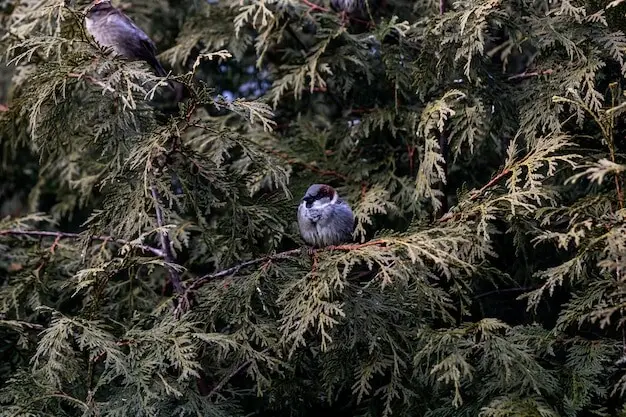
Rewild backyards with local shrubs, shield exterior lights, and keep cats indoors from dusk till dawn. Schedule quiet hours for parties and leaf blowers. These small courtesies invite Frogmouths to nest, microbats to hunt, and frogs to reclaim drains as drip‑fed amphitheaters.
Recording and Storytelling with Sound

Gear that Disappears into the Night

Lightweight recorders, quiet preamps, and spaced omnis mounted low often capture truest atmosphere. A simple tripod, furry windshields, and spare cards beat complex rigs. Label files immediately. Above all, let patience outwork technology; the bush performs perfectly without prompting when trust is earned.

Crafting a Narrative from Chirps and Echoes

Structure stories with contrasts: distant owl answered nearby, chorus thinning at moonrise, sudden rain stitched into rhythm. Use fades that respect natural dynamics. Welcome serendipity and imperfections; they authenticate presence, encouraging listeners to breathe slower and imagine dew condensing on microphones.

Community Listening Projects

Join initiatives like FrogID, the Australian Acoustic Observatory, or iNaturalist to share clips and verifiable sightings. These platforms transform solitary nights into collaborative maps, strengthening protection campaigns. Invite friends to a backyard listen‑in, then upload, discuss, and celebrate your patch of living darkness.

Listening to Country with Care

Before visiting, understand whose Country you enter, observe access guidance, and avoid sharing sensitive locations. Some stories, names, and songs require consent or are not for public circulation. Respecting boundaries protects culture and improves conservation, because relationship precedes research, microphones, and any recordings you might publish.

Seasons Written in Sound

Regional calendars, such as the Noongar six seasons, connect flowering, winds, and animal activity. Night voices signal shifts: insects grow insistent, frogs relocate, owls court. Treat these as teachings, not curiosities, and ask permission to reference them when sharing posts, exhibitions, or community events.

Conservation and Night Guardianship

Habitat loss, artificial light, and chronic noise unravel delicate sonic communities. Shielding lights, restoring hollows, protecting wetlands, and calming traffic rebuild continuity so animals can communicate, feed, and breed. Your choices scale: one porch, one street, one reserve, becoming resilience stitched from everyday attention.
Ravopexinovi
Privacy Overview

This website uses cookies so that we can provide you with the best user experience possible. Cookie information is stored in your browser and performs functions such as recognising you when you return to our website and helping our team to understand which sections of the website you find most interesting and useful.